Most people figure snoring is just... a thing that happens.Annoying, sure. But not really a health problem. That assumption is costing some people more than sleep.
Sleep apnea is a condition where your airway collapses repeatedly during the night, sometimes dozens of times an hour. Each time it happens, your oxygen drops, your brain fires off an alarm, and you wake up just enough to breathe before drifting off again. You may never remember any of it.You'll just feel completely wrecked the next morning, every morning, without knowing why.
If you've been exploring sleep apnea treatment in Beverly Hills, CA, here's a look at what the research is showing and what your options actually look like in 2025.
A large-scale analysis published in early 2025 pulled data from over one million sleep apnea patients globally. A few of the findings:
● Consistent treatment reduced the risk of dying from any cause by 37%.
● The risk of cardiovascular death dropped by over half in treated patients.
● More nightly treatment hours correlated directly with better long-term survival.
The connection to brain health is getting harder to ignore too. Multiple 2025 studies found that repeated oxygen drops during sleep may affect brain proteins similar to those linked with Alzheimer's disease. The research doesn't claim sleep apnea causes dementia outright, but the overlap has researchers paying close attention.
Untreated sleep apnea has also been linked to high blood pressure, heart disease, weight gain, metabolic problems, and memory issues. It's a lot. And for something that often goes undiagnosed for years, that list adds up.
CPAP machines remain the most well-researched treatment.They work by pushing a steady stream of air through a mask to keep the airway open. Effective? Yes. But roughly half of patients stop using them within the first year.
The mask feels restrictive. The machine makes noise. Travel becomes a whole thing. And for some people, the claustrophobic feeling never really goes away.
Treatment only helps when it's actually used. That's not a judgment; it's just reality, and it's part of why sleep apnea treatment near you looks very different from what it did even five years ago.
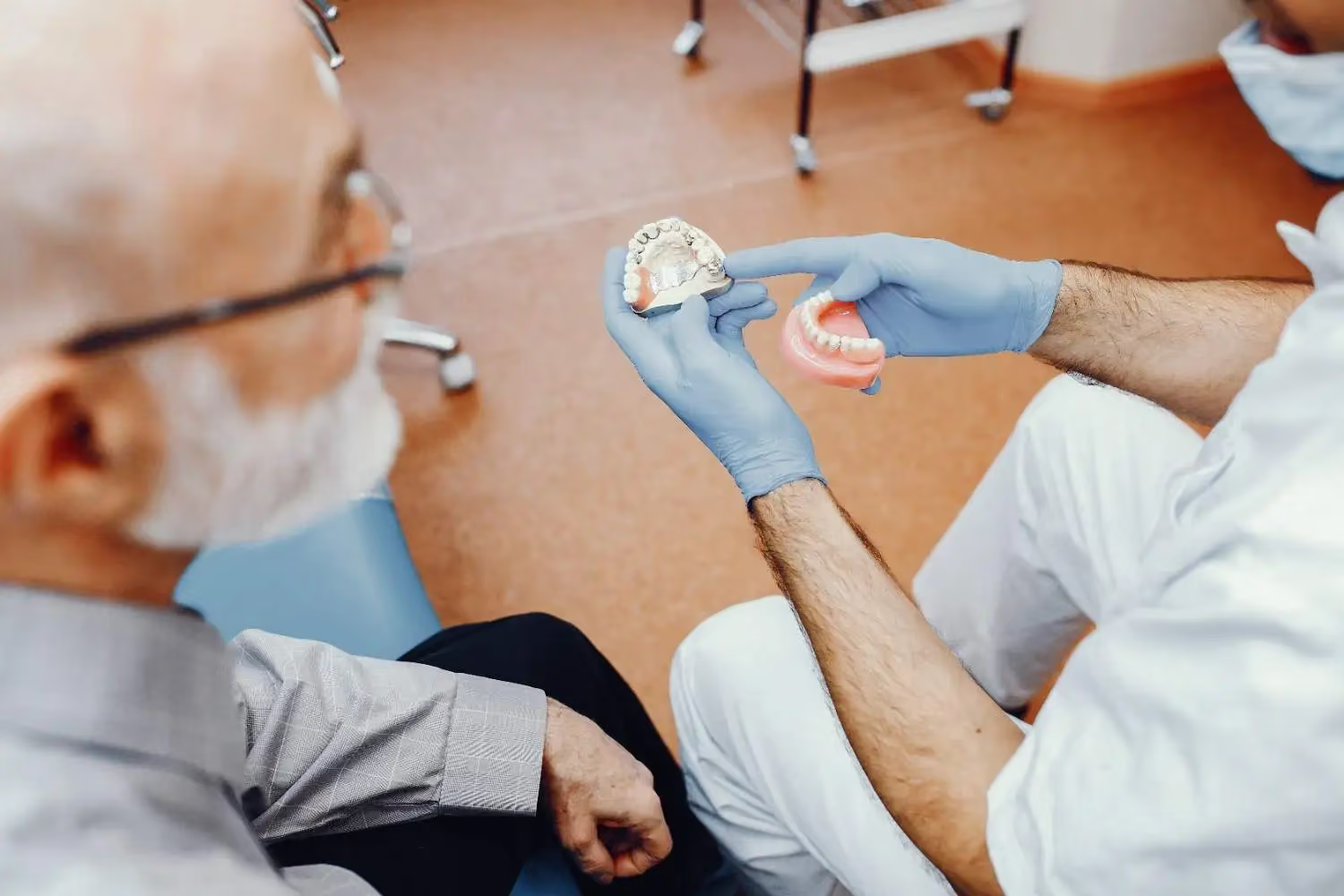
Dr. Parsa T. Zadeh at Zadeh Dentistry offers oral appliance therapy as an alternative sleep apnea treatment in Beverly Hills, CA, for patients managing obstructive sleep apnea. The device itself resembles a nightguard, small, fits over your teeth, nothing attached to a machine.
What it does is gently push the lower jaw forward during sleep. That slight repositioning keeps the airway from collapsing. No air pressure, no hose, no noise. Just a custom-fit device worn while you sleep.
The process generally looks like this:
● A consultation with our dentist in Beverly Hills, CA, to go over symptoms and health history.
● Digital scans or impressions of your teeth and bite.
● A custom device made specifically for your mouth.
● A few short follow-up visits to fine-tune the fit.
Most appointments take under an hour. Getting used to sleeping with it typically takes a couple of weeks, though many people adjust faster. And because it's small and doesn't need electricity, it's easy to travel with too, which matters more than people realize until they've tried lugging a CPAP through an airport.
Some symptoms are pretty obvious. Others? They get written off as just stress or "getting older." But your body is usually trying to tell you something.
Watch for things like loud snoring or those scary gasping and choking sounds that wake you up. You might also deal with morning headaches, teeth grinding, or feeling totally wiped out even after a full night of rest. If you find it hard to concentrate or have a sore throat most mornings, it’s a red flag.
Often, a partner notices those long pauses in your breathing before you even realize anything is wrong. To figure it out, a home sleep study or an in-lab test can confirm if sleep apnea is the culprit. From there, we look at your specific anatomy and lifestyle to find a sleep apnea treatment near you that you can actually stick with.
It is a fair question to ask. Dentistry and sleep health aren't always connected in our minds, but airway anatomy falls squarely within what a trained, can assess.
At Zadeh Dentistry, oral appliance therapy isn't just a side service; it is a core part of how we look at your health. If you’ve been searching for sleep apnea treatment in Beverly Hills, CA, and haven't found an option that feels manageable, it might be time to have that conversation. Better sleep is a reasonable thing to want.
Reach a dentist near you today by calling 310-273-2020 or scheduling your consultation here. We’re ready when you are.

In terms of durability and strength, the "dental implant" is one of the best available solutions to replace the loss of teeth. Dental implants offer the same strength and durability as natural teeth; In addition, dental implants look like natural teeth. However, one important part that many people overlook when considering dental implants is "Occlusion".
If you’re considering dental implants in Beverly Hills, understanding the role of your bite can help protect your investment and ensure long-term comfort.
A balanced bite isn’t just about how your smile looks; it’s about how forces are distributed throughout your mouth every time you eat, speak, or clench your teeth.
Occlusion refers to the way your upper and lower teeth fit together. Every bite involves pressure, movement, and coordination between teeth, jaw joints, and muscles. Natural teeth have a slight cushion that absorbs force, allowing them to adapt to daily chewing stress.
Dental implants, however, are different. They are anchored directly into the jawbone and don’t have the same shock-absorbing structures as natural teeth. That means implants rely heavily on precise bite alignment to handle pressure safely.
When occlusion isn’t properly planned, dental implants can be exposed to excessive or uneven forces. Over time, this stress may affect the surrounding bone or the implant restoration itself.
A well-balanced bite helps:
This is especially important for back teeth, where chewing forces are strongest. Even small bite imbalances can have a bigger impact on implants than on natural teeth.
A mismanaged bite force could cause issues for patients that affect the success of their implants, such as discomfort when chewing, excessive wear on the implant crown, component loosening, and bone changes associated with the implant(s).
Most people have pressure or sensitivity only upon biting down. However, there are some people who have an impression that their bite does not feel right. In either case, if one does not recognise these signs of a potential dental problem and take action, serious problems could arise. The sooner a dental office can address the issue, the less work that will be needed to correct minor concerns before they become major troubles.How Dentists Plan Implant Occlusion Carefully
Creating a stable bite for implants requires detailed planning and experience. A skilled dentist in Beverly Hills evaluates more than just the missing tooth. They look at the entire bite system.
This planning process often includes:
Implant crowns may be shaped slightly differently than natural teeth to reduce side-to-side stress and guide forces straight down into the implant, where bone support is strongest.
For patients replacing multiple teeth or getting a complete arch of implants placed, occlusion is even more critical. When going to various implants to support a full-arch restoration, the occlusion has to be properly aligned so that no one implant takes on the excess force.
Using the scenarios outlined above, the Dentist will create restorations that will allow for equal distribution of the force or pressure applied to an Implant and the Natural Tooth. Implementing an equal distribution of pressure across these two types of teeth increases the comfort, stability, and longevity of the restoration for the patient. The Role of Jaw Habits Like Clenching and Grinding
Teeth grinding or clenching often during sleep can place significant pressure on dental implants because implants don’t flex like natural teeth; repeated grinding forces can accelerate wear or stress surrounding bone.
If you have a history of grinding, your dentist may recommend a custom nightguard to protect your implants and natural teeth. This simple step can significantly extend the life of your restorations.
One time occlusion is not something that should never be thought of again; occlusion changes with time because of how tooth positions change due to natural shifting and how artificial products get worn out naturally. Seeing your dentist regularly allows them to keep an eye on the changing occlusion and make small adjustments when necessary.
These routine evaluations help keep implants comfortable and functional, ensuring that chewing forces remain balanced as your mouth changes over the years.
Patients play an important role in protecting their implants. Maintaining good oral hygiene, attending regular dental visits, and addressing bite discomfort early all contribute to long-term success.
If something feels off when biting or chewing, it’s always better to speak up. Small occlusal adjustments can often prevent larger issues when addressed promptly.
Successful implant treatment requires a dentist who looks beyond the tooth itself and considers how the entire bite functions if you’re searching for a dentist near you who understands the relationship between occlusion and implants, experience and attention to detail matter.
At Zadeh Dentistry, implant care is approached with a comprehensive mindset. From planning and placement to bite evaluation and long-term follow-up, every step is designed to support comfort, stability, and lasting results.
Dental implants can restore confidence, function, and quality of life but their success depends on more than just replacing missing teeth. Creating a balanced bite will help ensure that your implants work in conjunction with the rest of your mouth's structures to protect both your dental restorative materials and your overall Dental health.
If you plan to use implants to restore your teeth in Beverly Hills, it is critical to work with a Dentist emphasising Occlusion. With thoughtful planning and ongoing care, your implants can provide a comfortable, reliable smile for years to come.

Healthy smiles aren't random occurrences; they are created through routine maintenance, good practices, and ongoing professional assistance. Prevention is key to avoiding all dental problems, therefore, enabling patients to maintain strong teeth and healthy gums for the entirety of their lives. Zadeh Dentistry believes prevention forms the basis for lifelong oral wellness. If you're searching for trusted preventive dentistry in Beverly Hills, understanding the value of preventive care can make all the difference.
Preventive dentistry is a proactive approach to oral health that emphasizes early detection, routine care, and patient education. Instead of waiting for cavities, gum disease, or tooth damage to develop, preventive care works to reduce risks and address concerns at their earliest stages.
A lot of oral health problems develop without any noticeable signs or discomfort. Tooth decay, periodontal problems, and tooth erosion can all develop slowly and advance into more significant issues over time. Preventive dental treatments allow your dentist to detect these concerns early on, in many cases, even before you notice them. Preventive dentistry allows your dentist to identify these problems early, often before you even notice them.
Regular preventive care helps:
Seeing a dentist near you regularly plays a crucial role in keeping your oral health on track.
Dental exams allow your dentist to monitor your oral health, check for early signs of decay or gum disease, and evaluate existing dental work. These visits are essential for catching small issues before they turn into bigger problems.
Plaque and tartar buildup can still occur in hard-to-reach areas, even for those with great oral hygiene routines. The removal of these deposits will help to prevent dental cavities, gum inflammation, and foul breath. Professional cleanings also remove plaque and tartar from behind the back teeth, which is another difficult place to access for brushing.
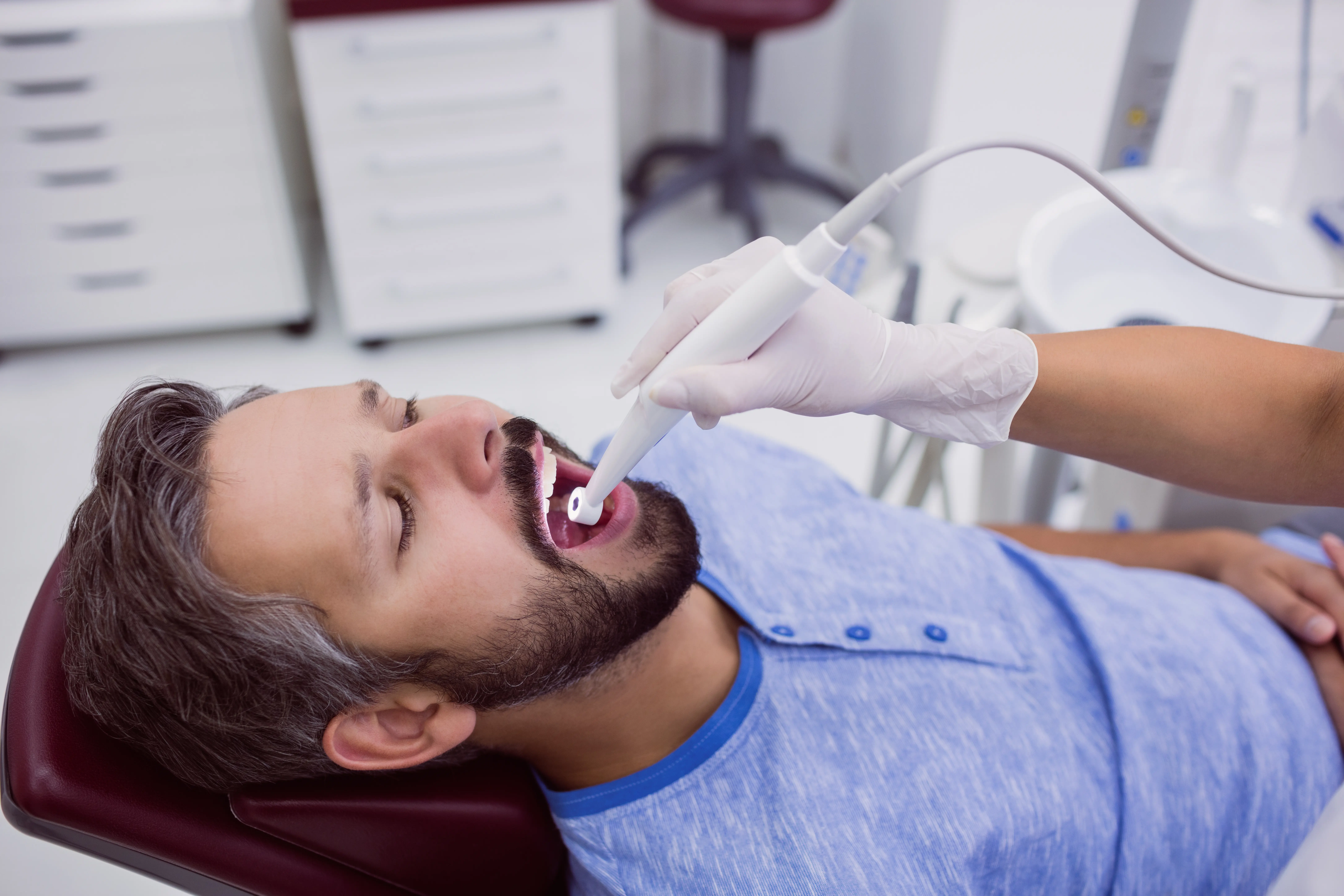
used to visually identify decay and breakage of teeth that may not be seen during a regular oral exam. Routine digital imaging allows you to detect these types of problems earlier, allowing for timely treatment and avoiding more invasive treatments later.
Fluoride treatments, dental sealants, or personalized recommendations for protecting vulnerable enamel could all be considered preventive care based on your specific needs.
Healthy gums are essential for a healthy smile. Gum disease often starts with mild inflammation and bleeding, but can progress to bone loss and tooth loss if left untreated. Preventive dentistry focuses on early identification and management of gum issues through regular cleanings and exams.
Maintaining gum health also supports overall wellness, as research continues to show connections between oral health and systemic health conditions.
Preventive dentistry doesn't stop at the dental office. Daily habits play a major role in long-term oral health. Brushing twice a day with fluoride toothpaste and flossing daily helps remove plaque and reduce bacteria that cause decay and gum disease.
Your dentist near you can also provide personalized advice based on your oral health needs, lifestyle, and risk factors.
People of All Ages Benefit from preventive dental care." Preventive dental visits are beneficial for children as they assist in developing good habits and monitoring the growth and development of their teeth and oral health during childhood. Preventive Dentistry aids adult patients to maintain their oral health throughout their lives by maintaining healthy teeth, gums, dental restorations, and general oral health as they get older."
A family-centred approach to caring for people allows all family members, regardless of age, to have the preventative dental care they require to achieve optimal oral health throughout their lives.
Most patients benefit from dental checkups every six months, though some may need more frequent visits based on their oral health needs. Regular visits allow your dentist to monitor changes, provide cleanings, and adjust your care plan as needed.
Staying consistent with preventive visits is one of the most effective ways to avoid dental emergencies and extensive treatments.
Oral health is closely linked to overall health. Inflammation and infection in the mouth can affect other areas of the body if left untreated. Preventive dentistry helps reduce these risks by keeping the mouth healthy and free of infection.
Taking a preventive approach supports not only your smile but also your general well-being.
At Zadeh Dentistry, we are committed to personalized, prevention-focused care. Whether you're maintaining a healthy smile or working to prevent future issues, you can trust our team for high-quality preventive dentistry in Beverly Hills.
Preventive dentistry is one of the most valuable investments you can make in your oral health. By addressing small concerns early and maintaining consistent care, you can enjoy a healthier, more confident smile for years to come.
If you're looking for a trusted dentist in Beverly Hills, an experienced preventive dentist near you, or comprehensive care from a dentist near you, Zadeh Dentistry is here to help. Schedule your preventive visit today and take the first step toward lifelong oral health.
.jpg)
If you’ve been dealing with weight gain, sluggishness, elevated blood sugar, or difficulty maintaining your energy throughout the day, your metabolism may not be the only thing to blame. More and more research shows that poor sleep, especially sleep apnea, can significantly disrupt metabolic health.
The frustrating part? Many people don’t even realize their sleep is being interrupted.
At Zadeh Dentistry, our dentist in Beverly Hills often works with patients who come in searching for answers about their health. Once we take a closer look at their nighttime breathing patterns, we usually uncover something they never expected: undiagnosed sleep apnea. If you’ve been looking for sleep apnea in Beverly Hills, this article will help you understand why your sleep matters more than ever.
Most people naturally associate metabolism with diet, hormones, or activity level. While these are certainly important, sleep is the body’s reset button, and it plays a major role in how efficiently you process and store energy.
When you sleep well:
But when your airways collapse at night, as they do with sleep apnea, your body goes into repeated cycles of stress, oxygen deprivation, and hormonal imbalance. This takes a toll on your metabolism, even if you’re eating well or staying active.
Sleep apnea causes you to stop breathing briefly, sometimes dozens or even hundreds of times throughout the night. Each breathing pause can lead to:
Over time, these nightly interruptions can fuel metabolic issues such as:
When the body doesn’t get enough oxygen, it becomes harder for cells to respond to insulin properly. This means blood sugar rises more easily, putting you at higher risk for:
Sleep apnea disrupts the balance of two important hunger hormones:
Decreased oxygen levels and interrupted sleep may decrease leptin levels and increase ghrelin levels, resulting in increased weight, increased cravings, and difficulty losing weight.
Cortisol is your stress hormone. If sleep is continually interrupted, cortisol remains elevated. High cortisol levels are associated with:
Without consistent deep sleep, your body cannot perform the restorative functions needed to keep metabolism efficient.
This is why many patients come to us saying, “I’m doing everything right, but I still can’t lose weight.” Sleep apnea may be the missing piece.
Snoring is a common sign of sleep apnea, but many people never snore at all. Instead, they may experience symptoms like:
If these symptoms feel familiar, it might be time to get evaluated by a dentist near you who understands airway-focused dentistry.
Dentists are trained to evaluate the airway and identify issues with the mouth and jaw that contribute to nighttime breathing problems. At Zadeh Dentistry, we take an airway-centered approach to understanding your sleep quality.
During your visit, we may assess:
If we suspect sleep apnea, we guide you through the proper screening, including home sleep testing or a referral for a full sleep study when needed.
Many people assume CPAP is the only treatment for sleep apnea, but that’s not always the case. At Zadeh Dentistry, we create custom oral appliances that help maintain an open airway while you sleep.
These devices:
This is a great option for patients who cannot tolerate CPAPs or want something simpler. If you have been looking for sleep apnea treatment near you, our Beverly Hills team is providing our patients with personalized, comfortable and effective solutions.
Most often, once sleep apnea is controlled, patients report remarkable improvements in their metabolic wellness:
Quality sleep supports every system in the body—including metabolism.
If metabolic issues have been frustrating you or you suspect your sleep is affecting your overall health, now is the perfect time to take action.
At Zadeh Dentistry, our caring team is here to help you understand what’s really happening at night and what you can do to feel better. Schedule your consultation today and start your journey to better sleep and a healthier life.
Call us today at 310-273-2020. Dr. Parsa Zadeh and his team are ready to help you regain your smile and confidence. Whether you need a single implant, full-mouth restoration, or a same-day solution, we’ve got you covered at Zadeh Dentistry.